
Air Sealing · Sterling Heights

Air Sealing in Sterling Heights, MI

We track down the hidden air leaks that drain your heat and seal them so your insulation can finally do its job.

1 day installs · typical timeline
Free Quote

Free Air Sealing quote.

We reply within 1 business hour. No spam, ever.

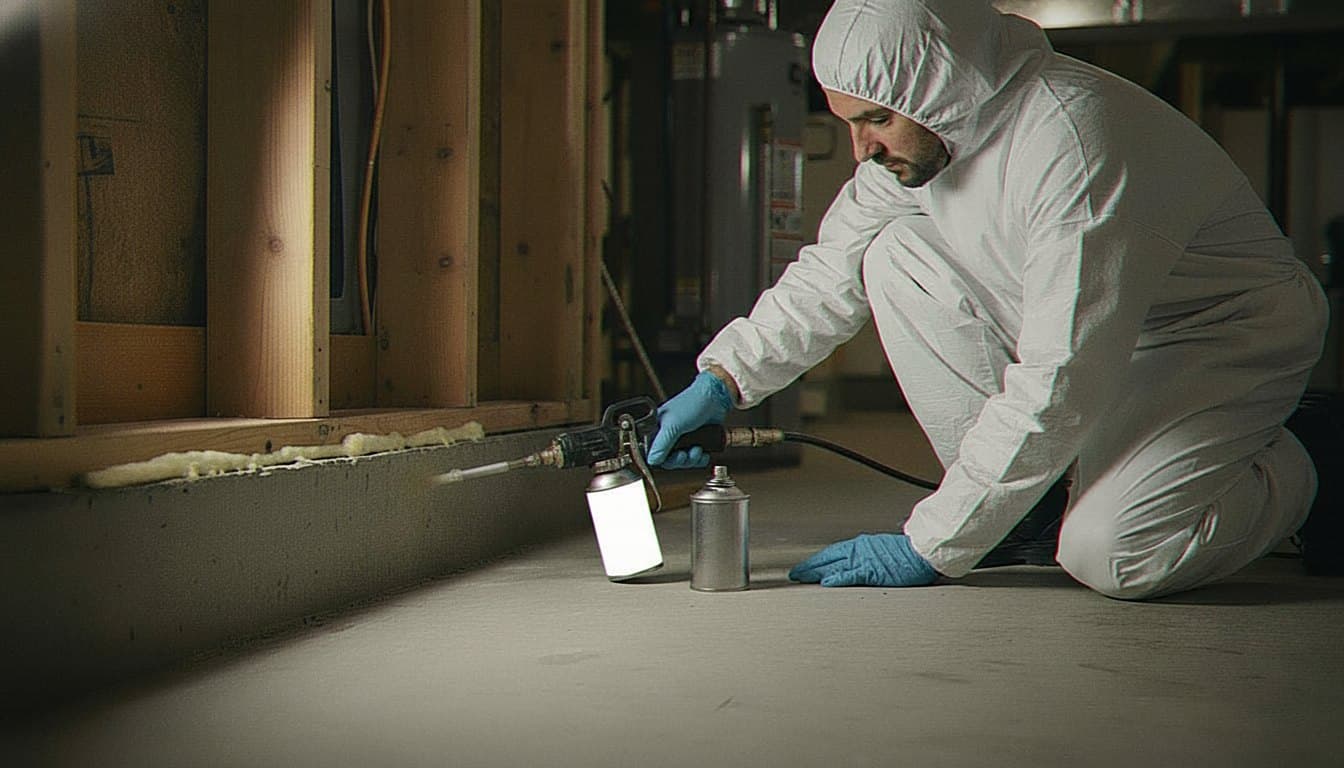
Sealed gaps around windows and penetrations
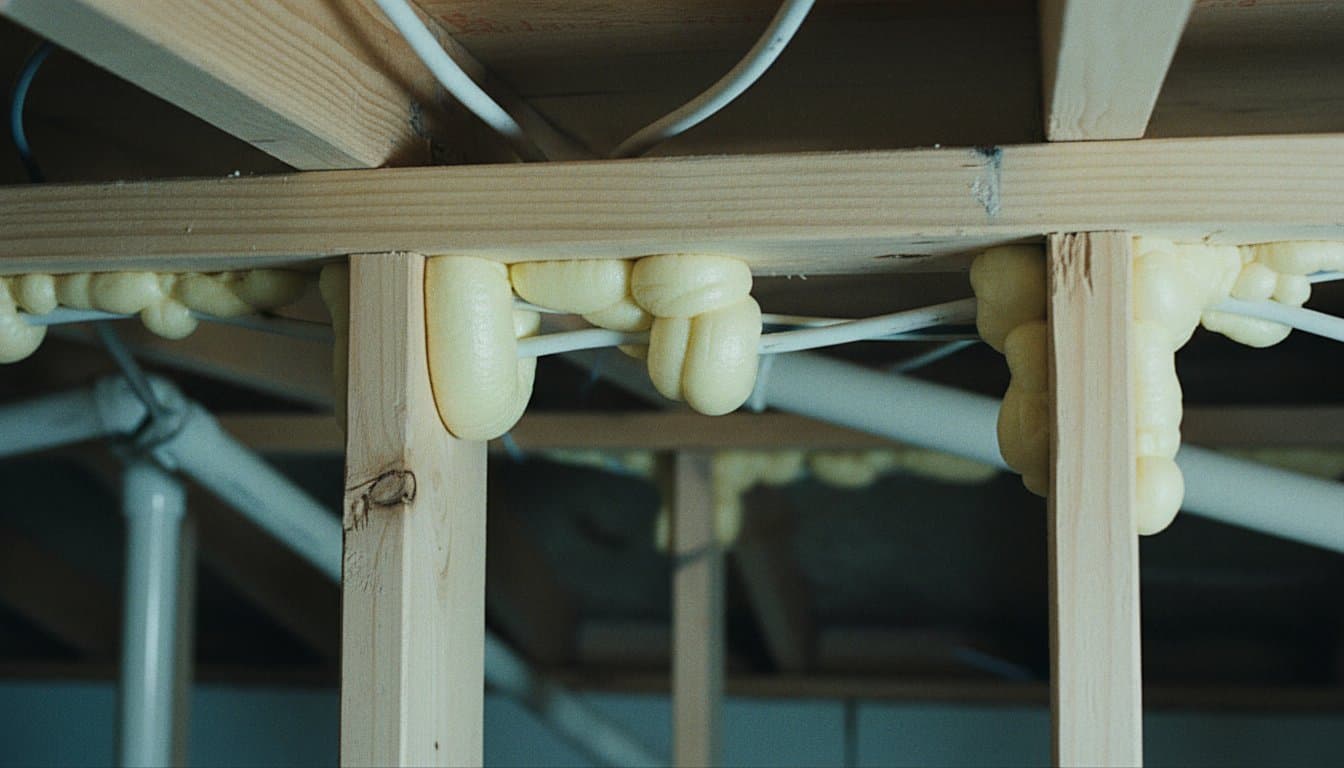
Gaps and cracks visible around exterior
Fully sealed and caulked exterior
What we install

Stop Air Leaks Before They Beat Your Insulation

Air Sealing Sterling Heights homes is the step most insulation jobs skip. That is why so many homes stay cold after the attic is brought up to depth. Insulation slows heat moving through a surface. It does not stop air from moving around it. A Macomb County home can lose a large share of its heating load through bypasses at top plates, plumbing chases, and attic hatches while the R-value looks fine on paper. We close those gaps first. For the depth and materials side of the attic work, our attic insulation service covers that step as well.

Air sealing uses different materials depending on the gap. Small openings at pipes and wire runs take polyurethane foam. The foam bonds to the wood and drywall in one pass and holds up through the temperature swings a Macomb County winter brings. Caulk handles narrow gaps at top plates and window frames. Wide bypasses at plumbing chases get rigid foam board cut to fit, then sealed at every edge with foam so air cannot get around the perimeter. The attic hatch gets a foam board lid with weatherstripping so the seal holds each time the hatch closes. We work through the attic, basement, and rim joist in a single Sterling Heights visit.

  • Sealing bypasses cuts heating load more than adding insulation depth alone does.
  • Closed bypasses let your current insulation perform closer to its rated value.
  • A tighter shell means your furnace runs fewer cycles through a Macomb County winter.
  • Air sealing the attic hatch closes a high volume leak most Sterling Heights homes carry.
  • We seal rim joists, top plates, and chases in a single coordinated visit.
Sealing the bypasses first is what makes every inch of insulation you already have actually count.

We take air sealing jobs across Sterling Heights and all of Macomb County. Most calls come from homeowners who added insulation and still feel drafts in January, or who have high heating bills despite a full attic. That is a bypass problem. Before any material goes down, we walk the attic and basement, find the main leak locations, and map out what the job needs. If we spot moisture staining at the deck or signs of condensation at the rim joist, we tell you before any foam goes down. We walk every finished job with you so you can see each sealed location before we pack up.

If your home runs cold in winter despite insulation that looks fine, air movement is usually the reason. We serve all of Sterling Heights and Macomb County. Call us or fill out the form and we will come out, walk the space, and give you a straight quote.
Materials

What We Use to Seal Air Leaks in Sterling Heights Homes

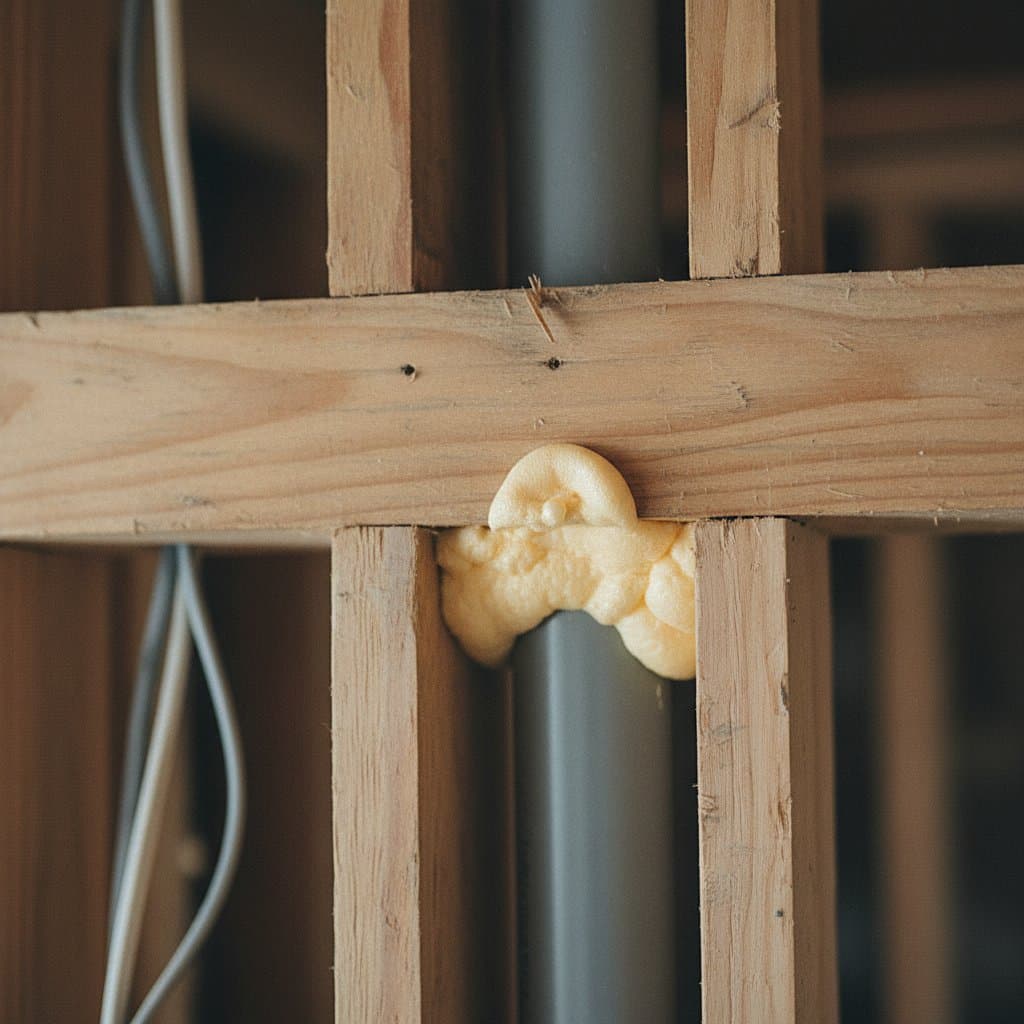
Different gaps need different materials. Small penetrations at pipes, wires, and light fixture boxes take polyurethane foam applied in a single pass. The foam bonds to the framing and drywall and stays flexible through the freeze and thaw cycles Macomb County winters bring. Caulk handles narrower gaps at top plates and window frames. We match the material to the gap size and location so the seal lasts and does not crack open the following heating season.

Large bypasses are a different problem. A plumbing chase running from the basement to the attic can be a foot wide. Foam alone does not fill a gap that size reliably. We cut rigid foam board to fit the opening, seat it in place, and seal every edge with foam so no air gets around the perimeter. That combination holds its shape over time. The attic hatch gets the same approach: a foam board lid sized to the frame opening, with weatherstripping at each side so the seal holds every time the hatch closes. In any location where codes require a thermal and ignition barrier, we use materials that meet those requirements.

  • Polyurethane foam for pipes, wires, and penetrations at top plates
  • Rigid foam board cut to fit for plumbing chases and large floor openings
  • Foam board lid with weatherstripping at the attic hatch
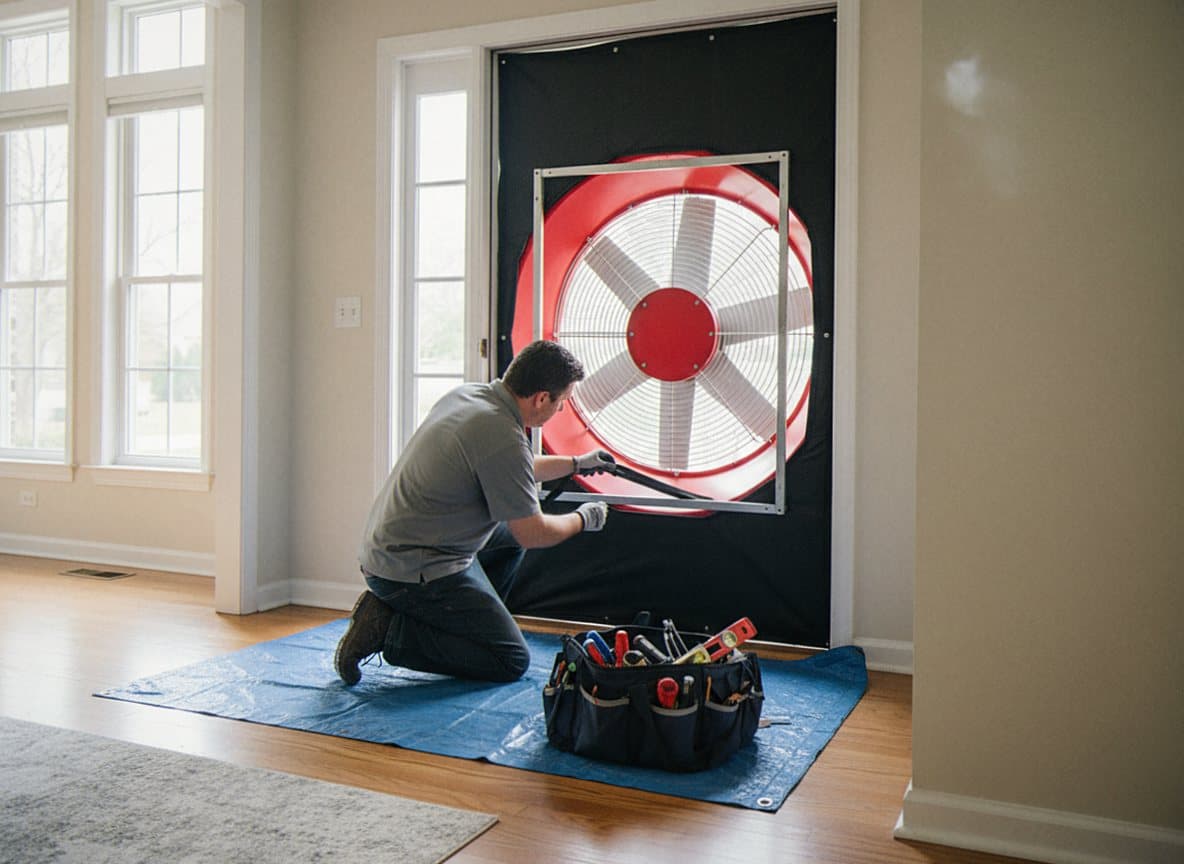
Blower door testing for air leaks
Sealed gap detail around utilities
What about the alternatives?

Air Sealing vs Other Approaches Sterling Heights Homeowners Try

Here is how a dedicated air sealing job compares to the other steps homeowners take when a Sterling Heights house runs cold in winter.

Air sealing with foam and rigid board

The right fix when insulation depth is already adequate but the house still runs cold or bills stay high through a Macomb County winter. Sealing the bypasses stops the air movement that insulation alone cannot address. The gains show up in fewer furnace cycles and warmer rooms.

Recommended

Adding insulation without sealing first

More depth adds R-value to the surface but leaves the bypasses underneath open. Air still moves through the chases and top plate gaps. In homes with an unsealed attic hatch and open plumbing chases, the extra insulation makes less difference than the added depth suggests. Not the sequence we follow.

Skip

Caulk and weatherstripping at windows and doors

A useful step for small gaps at the building exterior. Windows and doors account for some air leakage. In most Sterling Heights homes the bigger bypasses are at the attic floor: top plate openings, chases, and the hatch. Sealing windows alone leaves the main leaks untouched.

Acceptable

Blower-door test before sealing

A blower-door test measures how tight the shell is and can help find leaks with precision. We do not require one to do useful work. A visual walk of the attic and basement finds the main bypasses in most homes. A blower-door adds value when the building is already tight and the remaining leaks are hard to find by sight.

Recommended
How it goes

From quote to walk-on, fast.

01

On-site assessment

02

Surface prep

03

Foam application

04

Trim, inspect & clean-up

Before you book

Common Questions Before an Air Sealing Job

Here are the questions we hear most often from Sterling Heights homeowners before scheduling air sealing work.

My home already has insulation. Why is it still cold?
Insulation slows heat moving through a surface. It does not stop air from moving around it. A Macomb County home with solid attic depth can still bleed heat fast when the plumbing chases, the attic hatch, and the top plate gaps are open. Those bypasses are where warm air from the living space moves into the attic and out of the building. Insulation resting on top of open bypasses still covers the flat surface it touches. The air moves around it through the gaps below. Sealing the bypasses is what actually closes that path.
Can I air seal my home myself?
Some of it, yes. Caulking around window frames and using foam cans on small pipe penetrations is work most homeowners can handle. The bigger bypasses are harder. Large plumbing chases in the attic need rigid foam board cut to fit, with every edge sealed. Reaching top plates in a finished attic means moving insulation out of the way, sealing the gap, and putting the insulation back. We also check substrate temperature before foam goes down. Cold surfaces in a Michigan attic in November cause adhesion failure. The seal looks done and does not hold.
How do I know where my home is leaking air?
The most reliable signs are drafts on still days, cold spots at the ceiling or floor, and frost or condensation on the attic deck in winter. The attic is where we look first. Top plates at interior walls, plumbing chases, the hatch frame, and recessed light boxes are the most common bypass locations in Sterling Heights homes. We walk the attic and basement on every estimate and map out what we find before we quote anything.
Is air sealing worth it if I am already planning to add insulation?
Yes, and the order matters. Seal first, then add insulation depth. If you put down new material over open bypasses you cover them and make them much harder to reach later. The seal is what makes the new depth perform closer to its rated value. If you are planning both jobs, schedule the sealing visit before the insulation goes down. We can handle both on the same visit when the scope fits. Call us and we will walk the space and tell you what makes sense to do in one trip.
Aftercare

How Air Sealing Holds Up Over Time

Air sealing is a lasting fix once the materials cure. Polyurethane foam and rigid board do not need retreatment on a schedule. What opens new bypasses is trade work done after the sealing job. Every time a plumber, electrician, or HVAC crew cuts through the ceiling plane they create a new air path. The opening may stay open when they leave. A new stack through the attic floor, a new wire run through the top plates, a new duct register in the ceiling: each one is a bypass that was not there before. Check the attic after any trade work that went through the ceiling. New gaps are easy to seal before insulation covers them again.

  • Check the attic after any HVAC, plumbing, or electrical work that passed through the ceiling
  • Seal new penetrations at top plates before insulation covers them again
  • Inspect the attic hatch seal after any access during renovation work
  • Look for new drafts or frost on the attic deck after a hard cold spell
  • Spot treat any new wall or ceiling sections opened during a remodel before the next heating season
Comfortable home free of drafts
FAQ

Air Sealing Questions for Sterling Heights Homeowners

How much does spray foam insulation cost in Sterling Heights?
No two jobs price the same. We walk the space first, then quote based on what we actually find: the area, which foam type fits, what the substrate needs before foam can go down, and whether any bypasses need sealing while we are in there. The only honest number comes from that walkthrough. Call us or fill out the form and we will come out, look at the space, and give you a straight quote.

What is the difference between open-cell and closed-cell spray foam?
Two different materials, two different jobs. Closed-cell foam is dense and rigid, running around 6.8 R-value per inch, and it works as both an air barrier and a vapor retarder, so we use it in crawl spaces, rim joists, and any surface where outside moisture is pressing against the building. Open-cell foam is softer. It delivers around 3.9 R-value per inch, expands to fill wall bays and attic slopes in one pass, and also reduces sound through the wall.
How long does spray foam insulation last?
Spray foam is a permanent install. Once it cures, it does not settle, shift, or compress the way batts and loose fill do over the years as Michigan winters and damp summers cycle through the building assembly. No retreatment schedule. If trade work later cuts through a sealed section, a targeted pass over the gap closes it.
Will spray foam insulation reduce my energy bills?
Yes, though the mechanism matters. Spray foam stops air from moving through the gaps in the building shell, and it is that air movement, not just a lack of insulation depth, that forces your furnace to run long cycles all winter just to hold the temperature you set. We seal the rim joist, crawl space, and attic. Those are the main paths heat uses to leave a Macomb County home in cold weather.
Do I need to leave my home during spray foam installation?
The spray zone stays closed while we work. For most rim joist and crawl space jobs, we ask you to stay out of that specific area through the cure window, which runs a few hours from when we finish spraying. Once the foam is fully cured it is stable and the vapor release is done. We tell you the exact window for your job before we start.
Ready when you are

Ready for a real Sterling Heights floor?

Send a few photos or book a free 15-minute on-site walk-through. A fixed written quote within one business day.

Get a free quoteCall (586) 275-5485
CallFree Quote