Crawl Space Encapsulation & Insulation · Sterling Heights

Crawl Space Encapsulation & Insulation in Sterling Heights, MI

We seal and insulate crawl spaces across Sterling Heights so damp air and cold floors stop rising through the house.

1-2 days installs · typical timeline
Free Quote

Free Crawl Space Encapsulation & Insulation quote.

We reply within 1 business hour. No spam, ever.

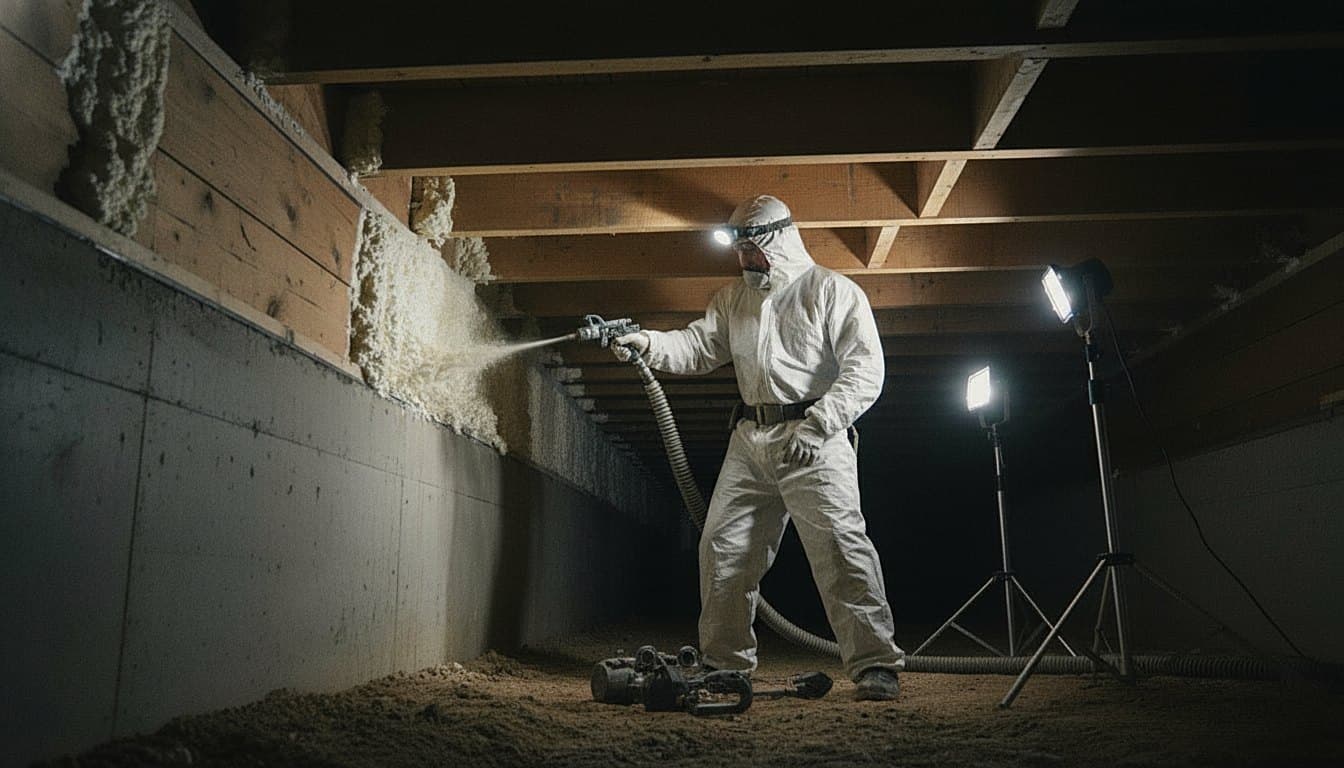
Sealed crawl space with foam insulation
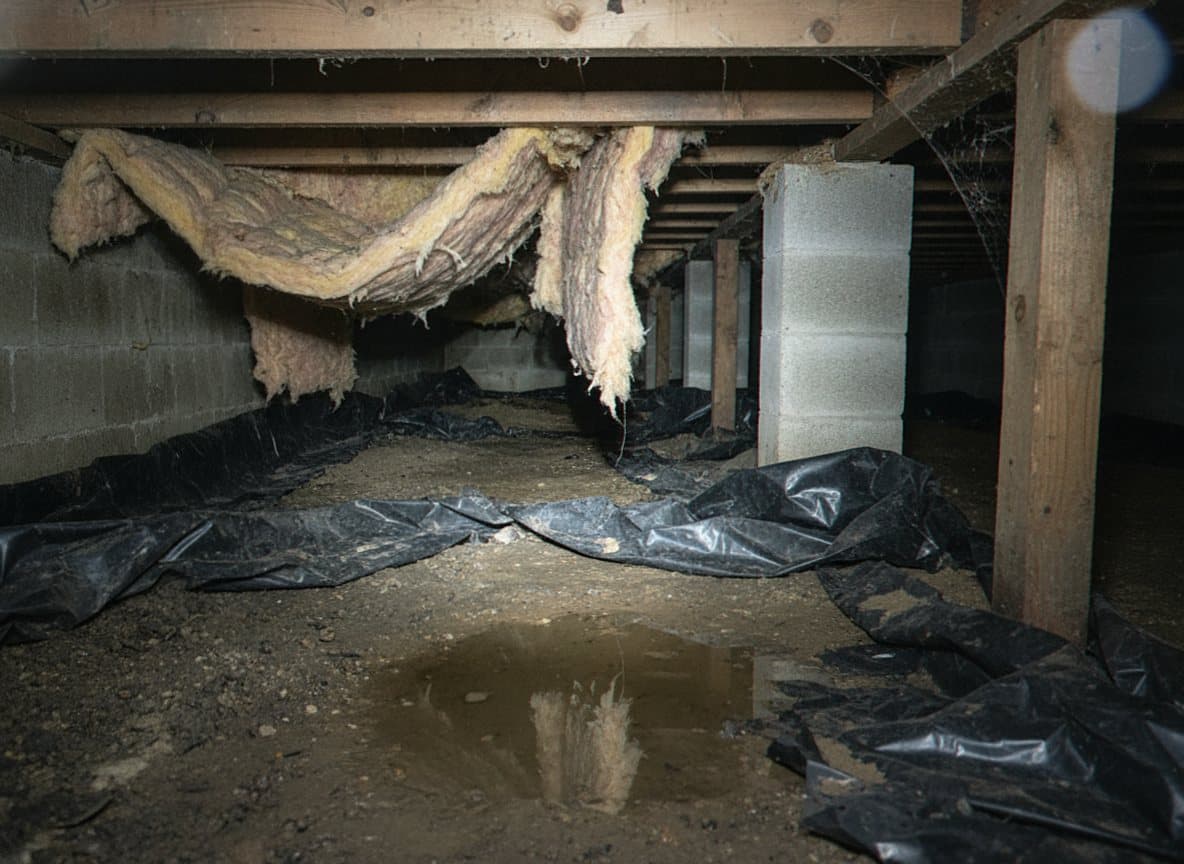
Damp, exposed crawl space before sealing
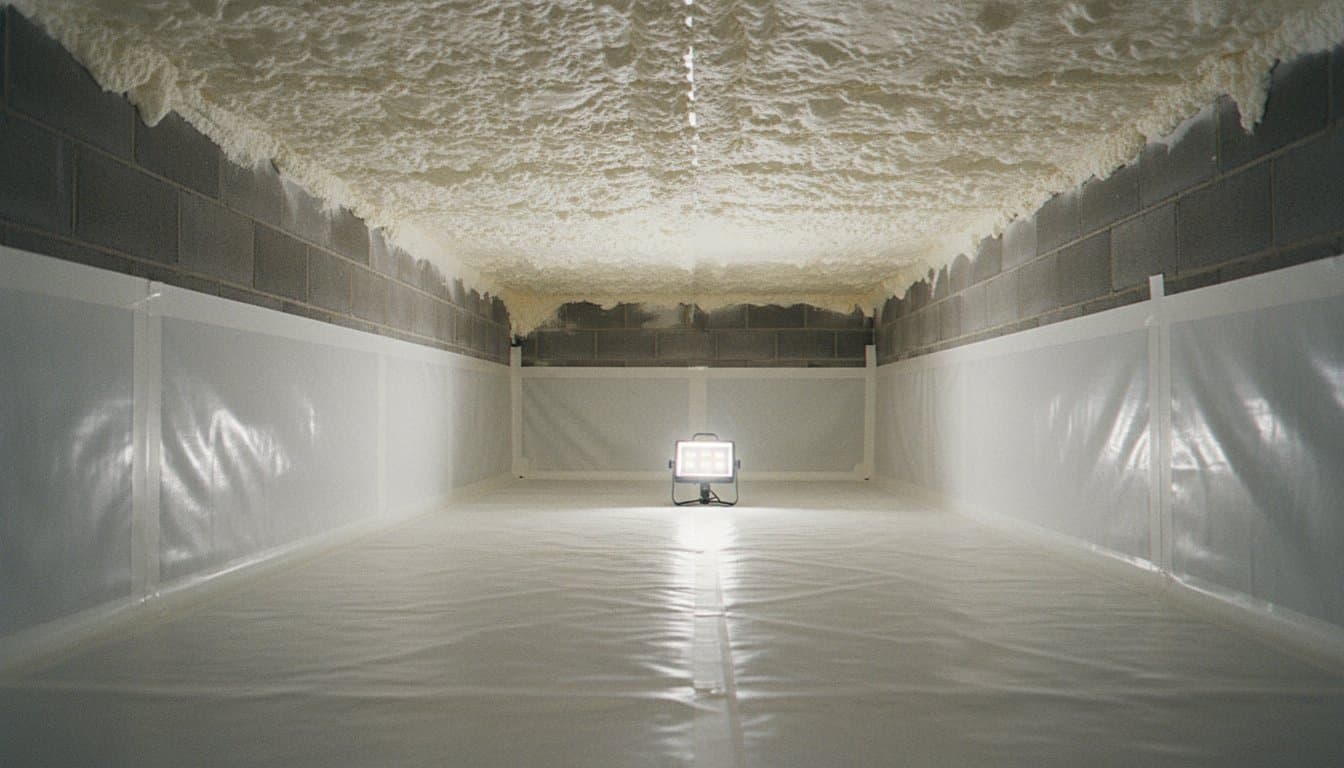
Fully encapsulated crawl space
What we install

Seal the Crawl Space and Keep Moisture Out

Crawl Space Encapsulation Sterling Heights jobs start at the floor and walls of the crawl space, where the first moisture and cold problems enter the house. Most Macomb County homes have an open dirt floor below the first level. In summer, warm humid air drifts in through foundation vents and condenses on the cooler surfaces above the ground. The joists and subfloor sheathing take on that moisture. In winter, cold air moves through those same openings and the floors above turn cold no matter how long the furnace runs. We can address the rim joist in the same visit when you want to seal the whole lower shell, and our attic insulation service covers the top of the house.

A complete crawl space encapsulation job has two main parts. The first is the vapor barrier on the floor and walls. We lay a reinforced polyethylene barrier across the entire dirt floor, covering every foot of ground surface. The sheeting runs up the foundation walls and over the wall sill, then gets sealed at the top edge. Seams overlap and get taped so moisture from the ground cannot pass through at the joints. The second part is insulation. We spray closed-cell foam onto the foundation walls and the rim joist directly above them. The foam bonds to the concrete, seals the air gaps at the wall, and adds R-value to the surfaces that get coldest in a Macomb County winter. The combination of a sealed floor and insulated walls turns the crawl space from a cold damp void into a dry, stable buffer between the ground and your living space.

  • Sealing the floor and walls stops ground moisture from reaching your first floor.
  • Closed-cell foam on foundation walls adds R-value and vapor control in one pass.
  • A sealed crawl space keeps wood joists and subfloor sheathing drier year round.
  • Cold floors caused by crawl space air movement stop once the gaps are sealed.
  • A dry crawl space reduces the conditions that lead to mold forming on the joists.
A sealed crawl space keeps the dampness and the cold below, where they belong.

We take crawl space encapsulation projects across all of Sterling Heights and Macomb County. Most of the calls we get come from ranch homes and split levels where the crawl space was never sealed when the house was built, or where a thin plastic sheet was the only moisture plan. Before we quote any job, we walk the space. We check the moisture condition of the joists, look for standing water, and note where the vents are. That walkthrough tells us whether the job needs foam only, barrier only, or both. We tell you what we find before any work starts.

If your first floor runs cold in winter or you smell dampness coming up from below, the crawl space is where we look first. We cover Sterling Heights and all of Macomb County. Call us or fill out the form and we will come out, walk the space, and give you a straight quote on what the job takes.
Materials

What Goes Into a Quality Crawl Space Encapsulation Job

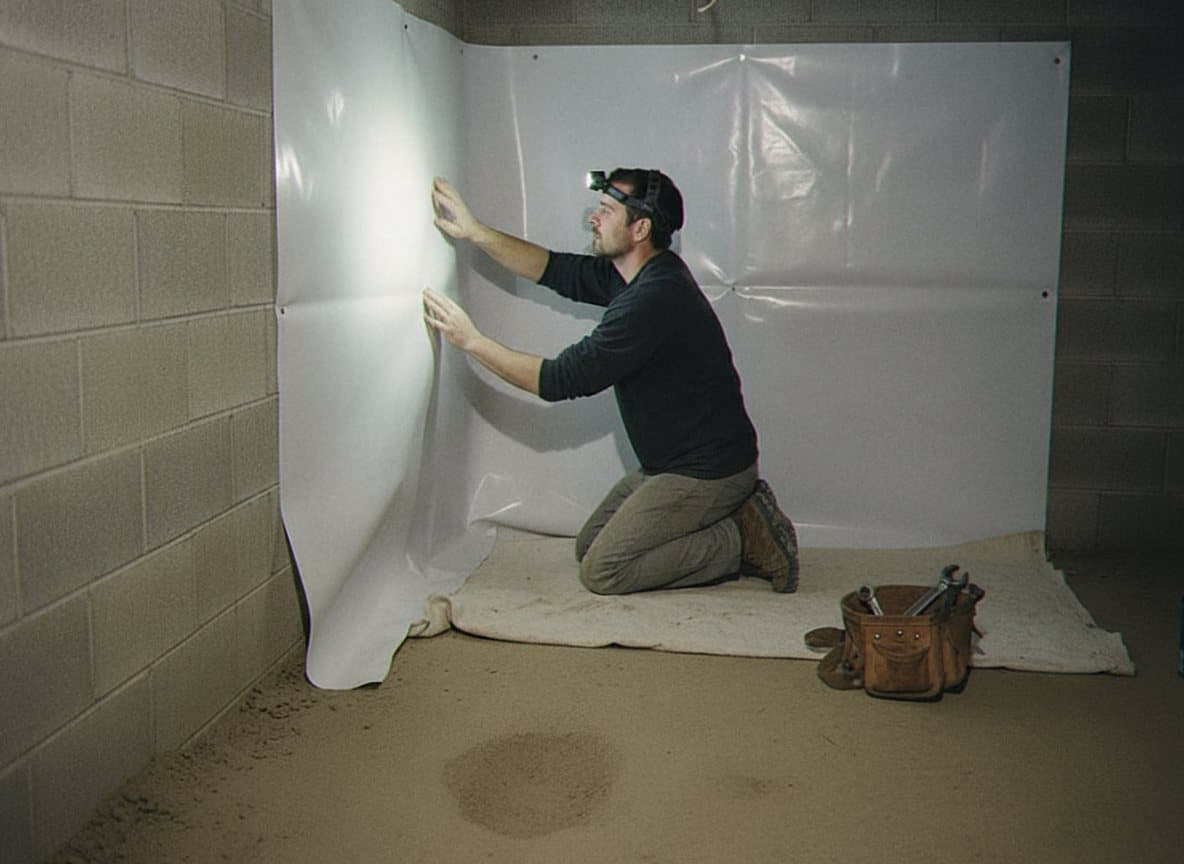
The vapor barrier is the foundation of any crawl space encapsulation job. We use a reinforced polyethylene sheeting thick enough to handle foot traffic and contact without tearing. Thin sheeting tears at seams and along the foundation wall edge, which opens paths for ground moisture to pass through. The barrier covers every square foot of dirt floor and runs up each foundation wall to the sill plate. Every seam overlaps and gets taped. The edge at the wall gets sealed to the concrete or block so the coverage holds at every corner and angle. No gaps, no shortcuts at the perimeter joints.

Closed-cell spray foam goes on the foundation walls and the rim joist after the barrier is down. The rim joist is the band of framing that sits directly on top of the foundation wall. That joint is one of the main paths for cold air and outside moisture to enter the house from below. Closed-cell foam bonds to the concrete and the wood in one application. It seals the air gaps and acts as a vapor retarder at the same time. The R-value runs around 6.8 per inch, which is enough to bring the wall surface temperature up noticeably in a Macomb County winter. Together, the sealed floor and the foam on the walls change the crawl space from a cold, damp box into a dry and stable space.

  • Reinforced barrier covers the full floor and laps up the foundation walls
  • Closed-cell foam seals the rim joist and adds vapor control to the wall surfaces
  • Taped seams and sealed edges hold coverage complete at every joint
Vapor barrier installation in progress
Sealed seam detail on vapor barrier
What about the alternatives?

Crawl Space Moisture Control Options Compared

Here is how crawl space encapsulation compares to the other approaches Sterling Heights homeowners weigh most often.

Full encapsulation with vapor barrier and foam

The most complete moisture and thermal fix for a Macomb County crawl space. The barrier stops ground moisture from getting into the air above it. Closed-cell foam on the foundation walls and rim joist stops cold air entry and adds vapor control at the perimeter. The two together address both the floor and the walls.

Recommended

Vapor barrier only, no insulation

A barrier alone helps when the walls are dry and the rim joist is already sealed. In most Sterling Heights homes the foundation wall and rim joist are open to cold air. A barrier without foam on the walls solves part of the moisture problem but leaves the air and cold paths at the perimeter open. Cold floors tend to persist.

Acceptable

Foundation vents left open, no sealing

The idea behind open foundation vents was that moving air would dry the space. In a humid Macomb County summer, the incoming air is warmer and wetter than the crawl space surfaces. It condenses on contact and makes the moisture worse. Closing the vents and sealing the space is the approach that reduces crawl space humidity in this climate.

Skip

Batt insulation between floor joists

Batts between the floor joists add R-value to the floor from below. They do not seal the crawl space from moisture or cold air entry. Batts tend to sag and fall out over time in a damp crawl space and can trap moisture against the subfloor sheathing. Encapsulation at the walls and floor is a more durable approach.

Acceptable
How it goes

From quote to walk-on, fast.

01

On-site assessment

02

Surface prep

03

Foam application

04

Trim, inspect & clean-up

Before you book

Common Questions Before a Crawl Space Encapsulation Job

Here are the questions we hear most often from Sterling Heights homeowners before scheduling a crawl space encapsulation project.

Does my crawl space really need encapsulation if it looks dry?
A crawl space that looks dry in spring can run wet in summer. Macomb County summers are humid. Warm outside air enters through foundation vents and the relative humidity inside a vented crawl space often runs high even when you cannot see standing water. That moisture works into the wood joists and sheathing over time. We walk every space on the estimate and look at the joist bottoms, the sill area, and the dirt floor for staining and discoloration that shows seasonal moisture even on a dry day. That check gives a more accurate picture than a single visual pass.
Can I do this myself with plastic sheeting from the hardware store?
You can lay a thin sheet on the dirt floor and it will reduce some ground moisture. But the work we do goes further. We run the sheeting up the walls, seal it at the sill plate, tape every seam, and cover the full perimeter. We also spray the rim joist and foundation walls with closed-cell foam for air sealing and vapor control at the wall surfaces. Each of those steps matters for the full result. A sheet on the floor alone leaves the walls and rim joist open to cold air and outside moisture.
Is crawl space encapsulation worth it if I am not planning to sell?
The main benefits are comfort and durability. Cold floors are one of the most common comfort complaints in Sterling Heights homes, and the crawl space is usually the source. A sealed crawl space also protects the wood structure below the first floor from the seasonal moisture cycle that speeds up decay and creates conditions for mold. You feel the difference in the floors above. The subfloor stays drier. The structure below holds up better through the freeze and thaw cycles a Macomb County winter brings. Those are real benefits whether you sell or not.
How do I know if my crawl space has a moisture problem?
Common signs are cold first floors in winter, a musty smell that rises from below, visible staining on the joist bottoms, and sagging batt insulation if batts were put between the floor joists. If you have seen condensation on pipes in the crawl space or noticed paint peeling on the subfloor sheathing, those point to seasonal high humidity. We walk every crawl space on the estimate and will tell you exactly what we see and what the job needs before any work starts.
Aftercare

How Crawl Space Encapsulation Holds Up Over Time

A properly installed encapsulation is a durable improvement. The vapor barrier and foam do not need reapplication on a schedule. What you want to watch for over time is new damage to the barrier from trades accessing the crawl space for plumbing or duct work. A pipe repair crew can cut through the sheeting or pull it back and leave a gap when they leave. Those open sections let ground moisture back into the space at the exposed area. We check barrier seams and foam edges on return visits and can reseal any sections that got damaged. A patched spot is easy to address. Leaving an open gap is what lets the moisture come back.

  • Check the barrier after any plumbing or duct work done in the crawl space
  • Look for new gaps at the wall edge if the foundation settles or shifts
  • Reseal any torn or pulled sections of barrier before the next wet season
  • Check foam at the rim joist after any renovation that opened wall framing above
  • Keep the crawl space access hatch sealed after every entry to the space
Warm floors and dry home after sealing
FAQ

Crawl Space Encapsulation Questions Answered

How much does spray foam insulation cost in Sterling Heights?
No two jobs price the same. We walk the space first, then quote based on what we actually find: the area, which foam type fits, what the substrate needs before foam can go down, and whether any bypasses need sealing while we are in there. The only honest number comes from that walkthrough. Call us or fill out the form and we will come out, look at the space, and give you a straight quote.
What is the difference between open-cell and closed-cell spray foam?
Two different materials, two different jobs. Closed-cell foam is dense and rigid, running around 6.8 R-value per inch, and it works as both an air barrier and a vapor retarder, so we use it in crawl spaces, rim joists, and any surface where outside moisture is pressing against the building. Open-cell foam is softer. It delivers around 3.9 R-value per inch, expands to fill wall bays and attic slopes in one pass, and also reduces sound through the wall.
How long does spray foam insulation last?
Spray foam is a permanent install. Once it cures, it does not settle, shift, or compress the way batts and loose fill do over the years as Michigan winters and damp summers cycle through the building assembly. No retreatment schedule. If trade work later cuts through a sealed section, a targeted pass over the gap closes it.
Will spray foam insulation reduce my energy bills?
Yes, though the mechanism matters. Spray foam stops air from moving through the gaps in the building shell, and it is that air movement, not just a lack of insulation depth, that forces your furnace to run long cycles all winter just to hold the temperature you set. We seal the rim joist, crawl space, and attic. Those are the main paths heat uses to leave a Macomb County home in cold weather.
Do I need to leave my home during spray foam installation?
The spray zone stays closed while we work. For most rim joist and crawl space jobs, we ask you to stay out of that specific area through the cure window, which runs a few hours from when we finish spraying. Once the foam is fully cured it is stable and the vapor release is done. We tell you the exact window for your job before we start.
Ready when you are

Ready for a real Sterling Heights floor?

Send a few photos or book a free 15-minute on-site walk-through. A fixed written quote within one business day.

Get a free quoteCall (586) 275-5485
CallFree Quote