Stop the Heat Loss at the Top of Your Home
Our Attic Insulation Sterling Heights service starts at the ceiling plane, where most Michigan homes lose heat fastest in winter. The stack effect pulls warm air from your living space upward through the attic floor and out through every gap at the top of the house. Your furnace runs longer than it should. Rooms near the ceiling feel cold even when the thermostat reads 70. We seal the air bypasses in the ceiling plane first, then add the right depth of insulation on top. That sequence matters. Adding insulation over open bypasses helps less than the depth suggests. Air still moves through the gaps underneath it. For the rest of the building shell, our crawl space encapsulation service handles the floor and walls below.
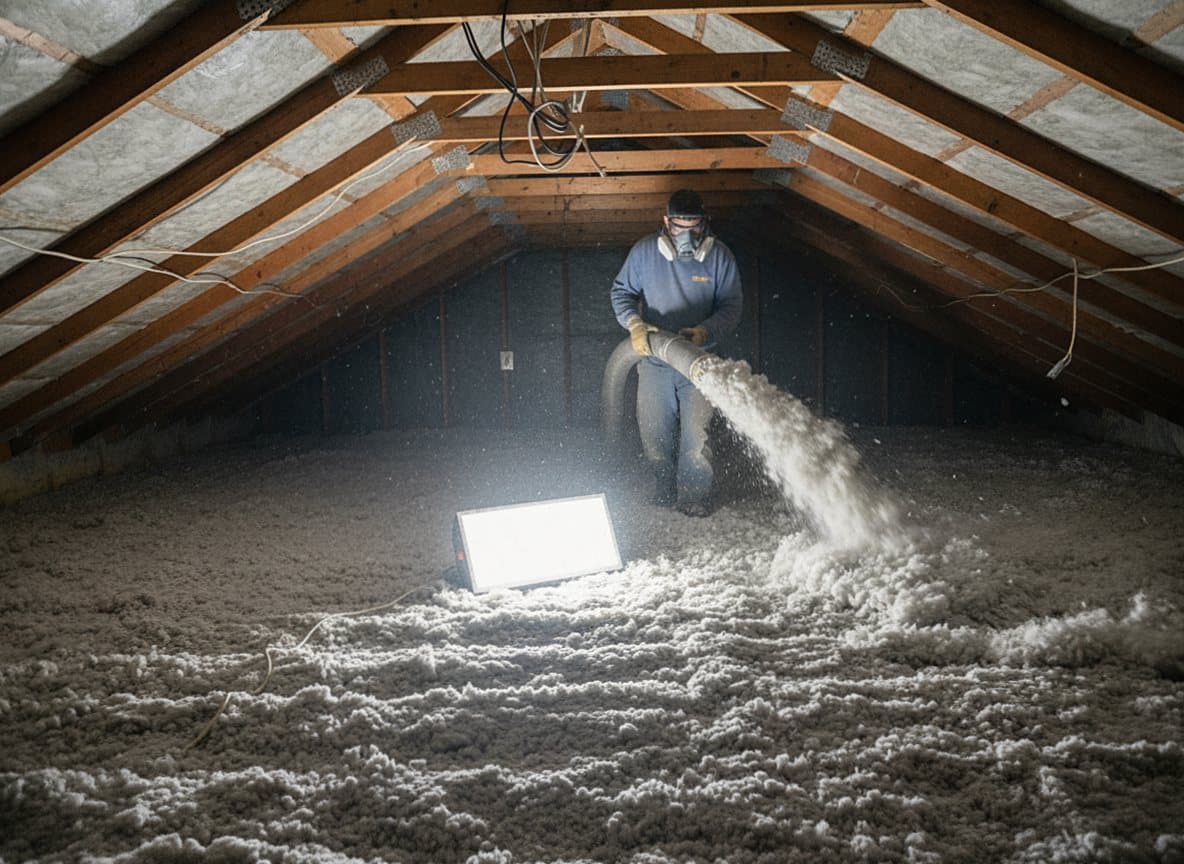
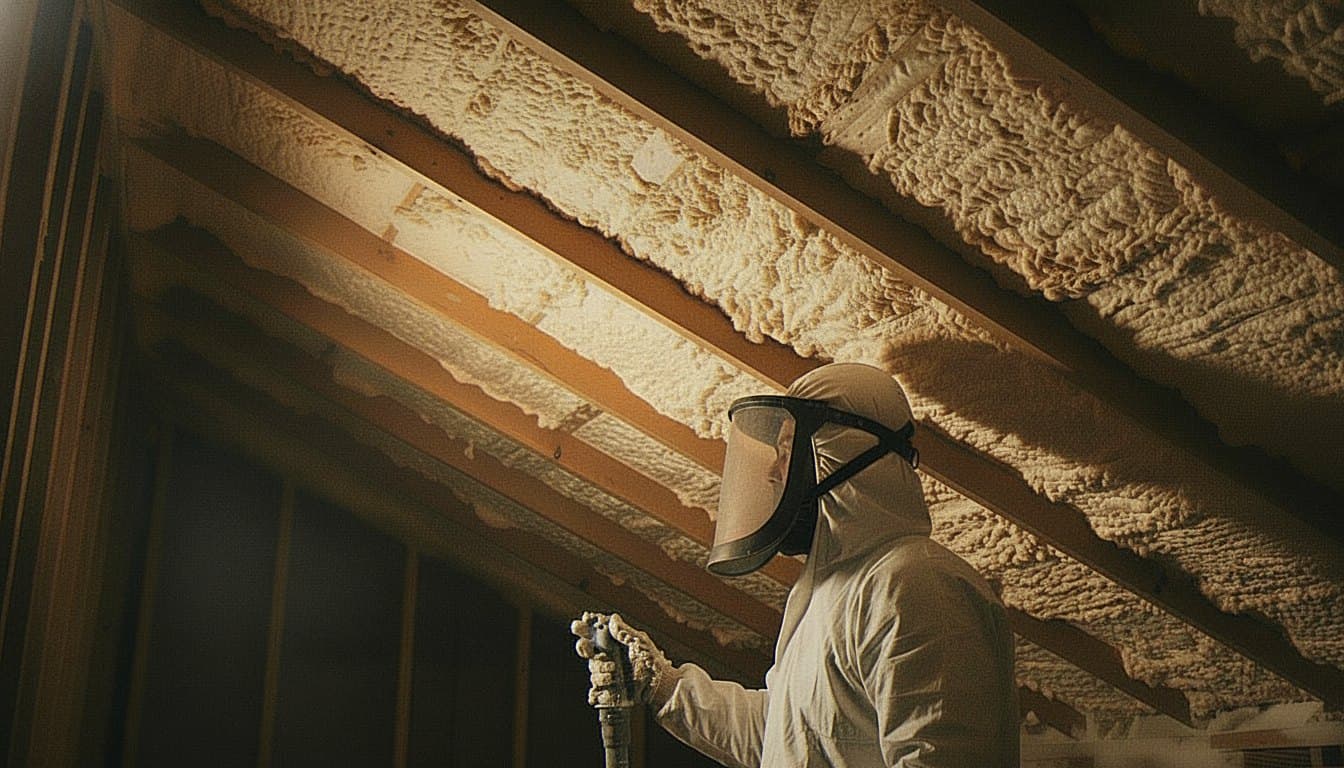
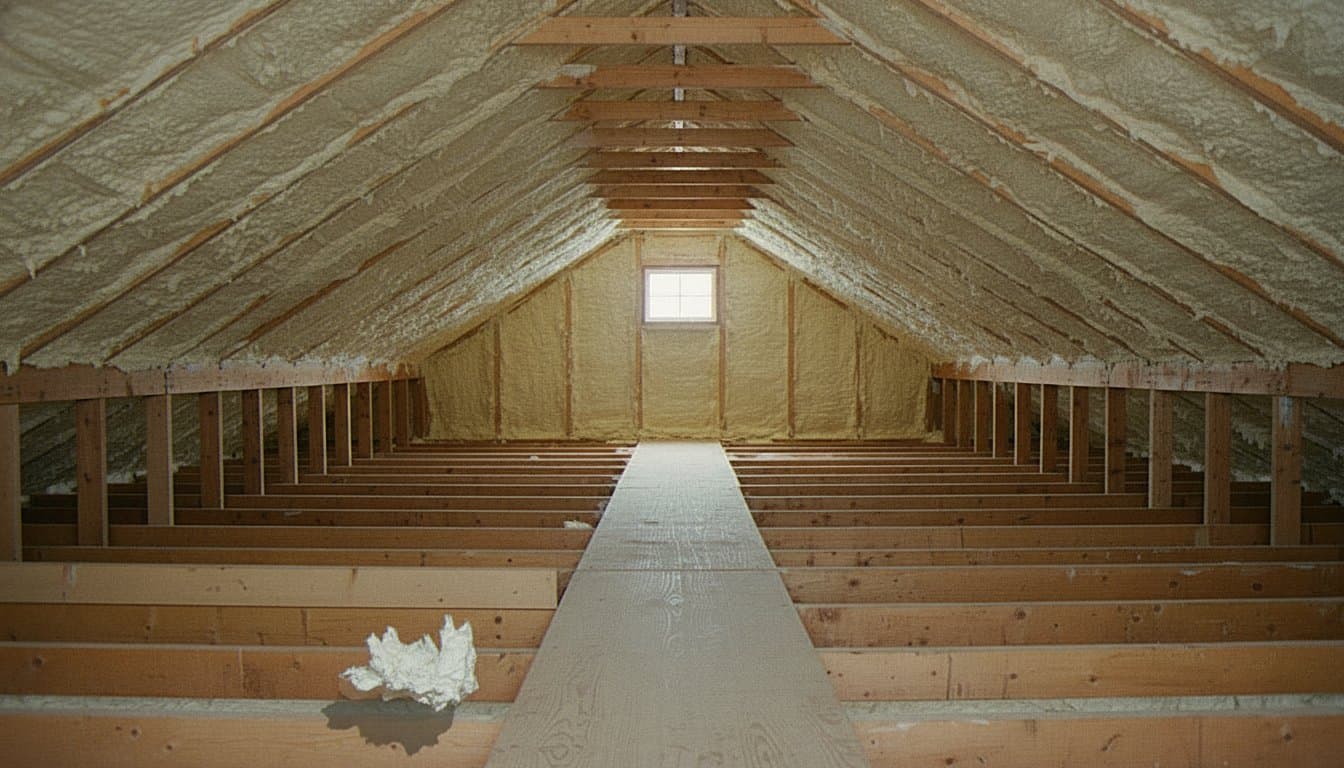
A complete attic insulation job has two parts. The first is air sealing at the ceiling plane. We fill the gaps where plumbing and electrical chases pass through the top plates, where recessed lights penetrate the ceiling, and where the attic hatch sits in its frame. These bypasses move more heat out of the house than a thin layer of insulation ever will. The second part is adding R-value. On vented attic floors, we add loose fill on top of the sealed bypasses. For roof assemblies without a ventilation path, we apply spray foam to the underside of the deck. That creates a conditioned attic space. Closed-cell foam at the deck gives the highest R-value per inch and acts as a vapor retarder as well. We assess the attic before any material goes down and match the method to what the space needs.
- Sealing attic bypasses stops the stack effect that drains heat upward all winter.
- Adequate R-value on the attic floor cuts heating and cooling load for the whole house.
- Air sealing first means the insulation depth you add actually performs to its rated value.
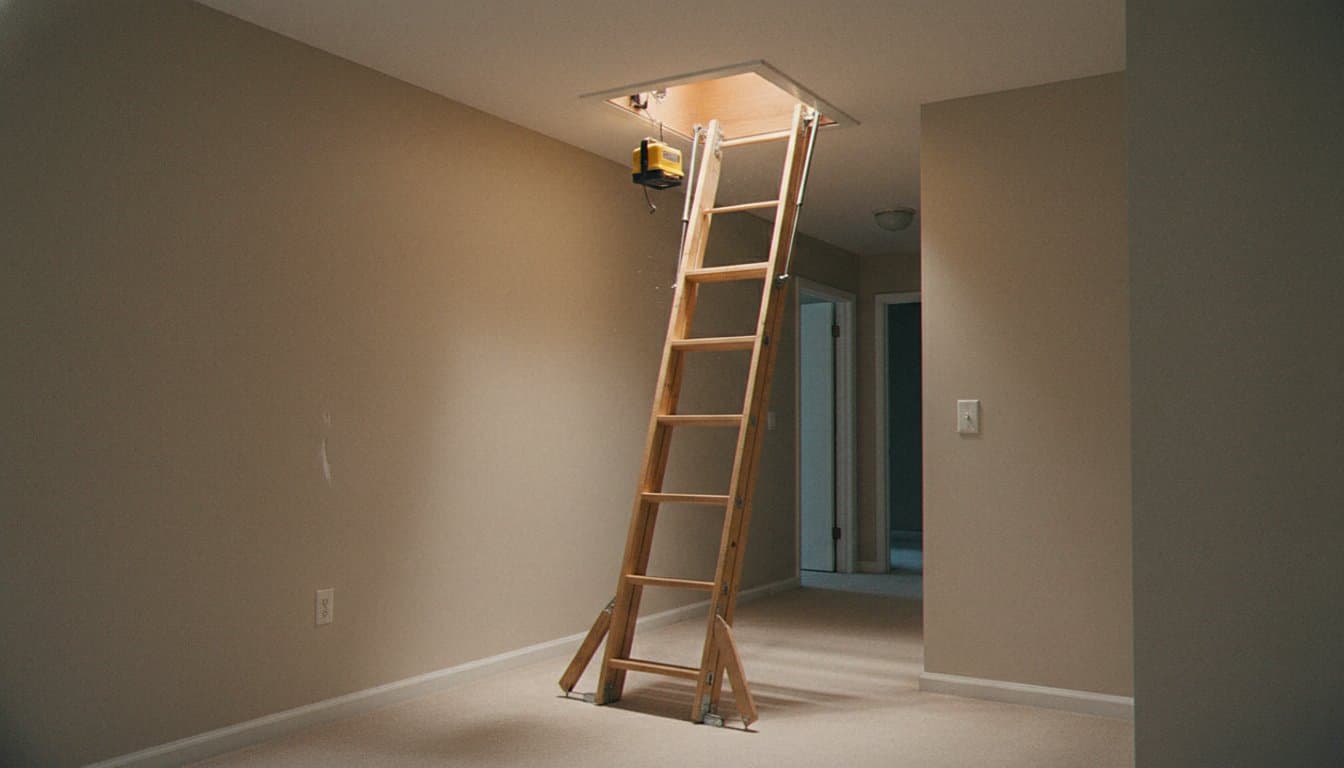
- A sealed attic hatch closes one of the biggest draft sources most insulation jobs miss.
- Loose fill covers joist edges and the gaps that batt insulation leaves at the bay margins.
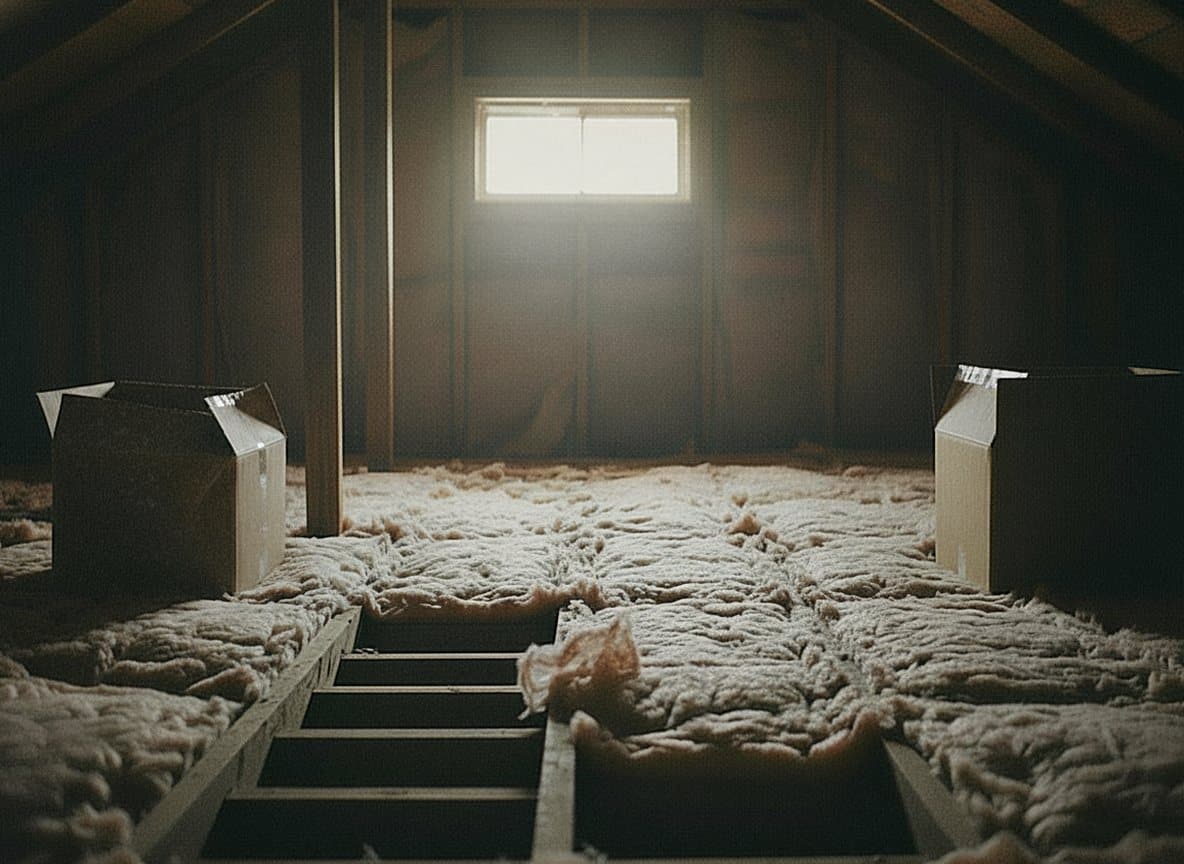
We take attic insulation projects across all of Sterling Heights and Macomb County. The jobs range from post-war ranches where the original batt insulation has settled for decades to newer homes where the bypasses were never sealed when the framing closed. Before we quote anything, we walk the attic. We look at the existing depth, check the bypass locations, note the hatch condition, and watch for any sign of moisture. A wet or stained deck means a source problem. Putting new insulation over it traps the moisture and makes the damage worse. We tell you what we find, what the job takes, and what you can skip. That habit is not a Macomb County thing either; ask the insulation contractors in Joliet what they check before quoting an attic and you will hear the same list.
If your home stays cold in winter despite a running furnace, the attic is the first place we look. We cover all of Sterling Heights and Macomb County. Call us or fill out the form and we will walk the attic, show you what the job takes, and give you a straight quote.